Manual Data Entry
High volume, repetitive input tasks prone to human error.

Businesses face a spectrum of operational hurdles, ranging from repetitive data entry to intricate decision-making processes. Understanding these challenges is the first step toward designing effective workflow improvements that support efficiency and accuracy across departments.
Operational challenges often start with simple, high-volume tasks like manual data entry, where errors and delays accumulate. As organizations grow, these issues expand into coordination problems, inconsistent reporting, and slow response times. More complex challenges involve multi-step decision processes that require data from various sources. Identifying where friction occurs is essential for developing targeted methods to address specific pain points without disrupting existing workflows.
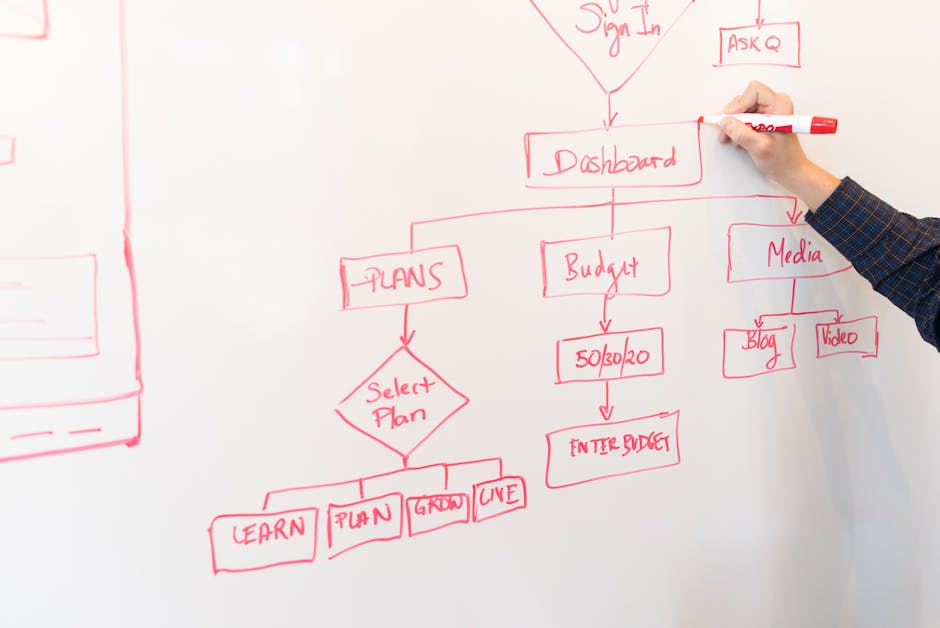
High volume, repetitive input tasks prone to human error.
Disconnected systems preventing unified access to information.
Delays in multi-step decision processes affecting turnaround.
Need to synthesize diverse data for strategic choices.
Addressing operational challenges requires a structured examination of how tasks are performed and where inefficiencies arise. For manual data entry, analyzing frequency and error rates helps prioritize automation opportunities. For complex decision-making, mapping out information flows and decision points reveals bottlenecks. While each organization’s context differs, common patterns emerge across industries. By documenting these patterns, NexusAI Solutions develops frameworks that help teams visualize their processes. This approach does not prescribe specific outcomes but instead offers a method for identifying areas where adjustments might improve flow. The goal is to provide a transparent view of current operations, enabling informed discussions about potential improvements and their dependencies.

At NexusAI Solutions, we focus on understanding the operational challenges businesses encounter daily. Our team analyzes workflows from manual data entry to complex decision frameworks, identifying structural factors that contribute to friction. We develop informational tools and analytical frameworks designed to support organizations in examining their own processes. These tools are not solutions in themselves but provide a structured way to evaluate where effort is spent and where changes might be considered. By emphasizing methodological transparency, we help teams make informed decisions about their operational strategies based on their unique contexts and constraints.
200 California Street, San Francisco, CA